



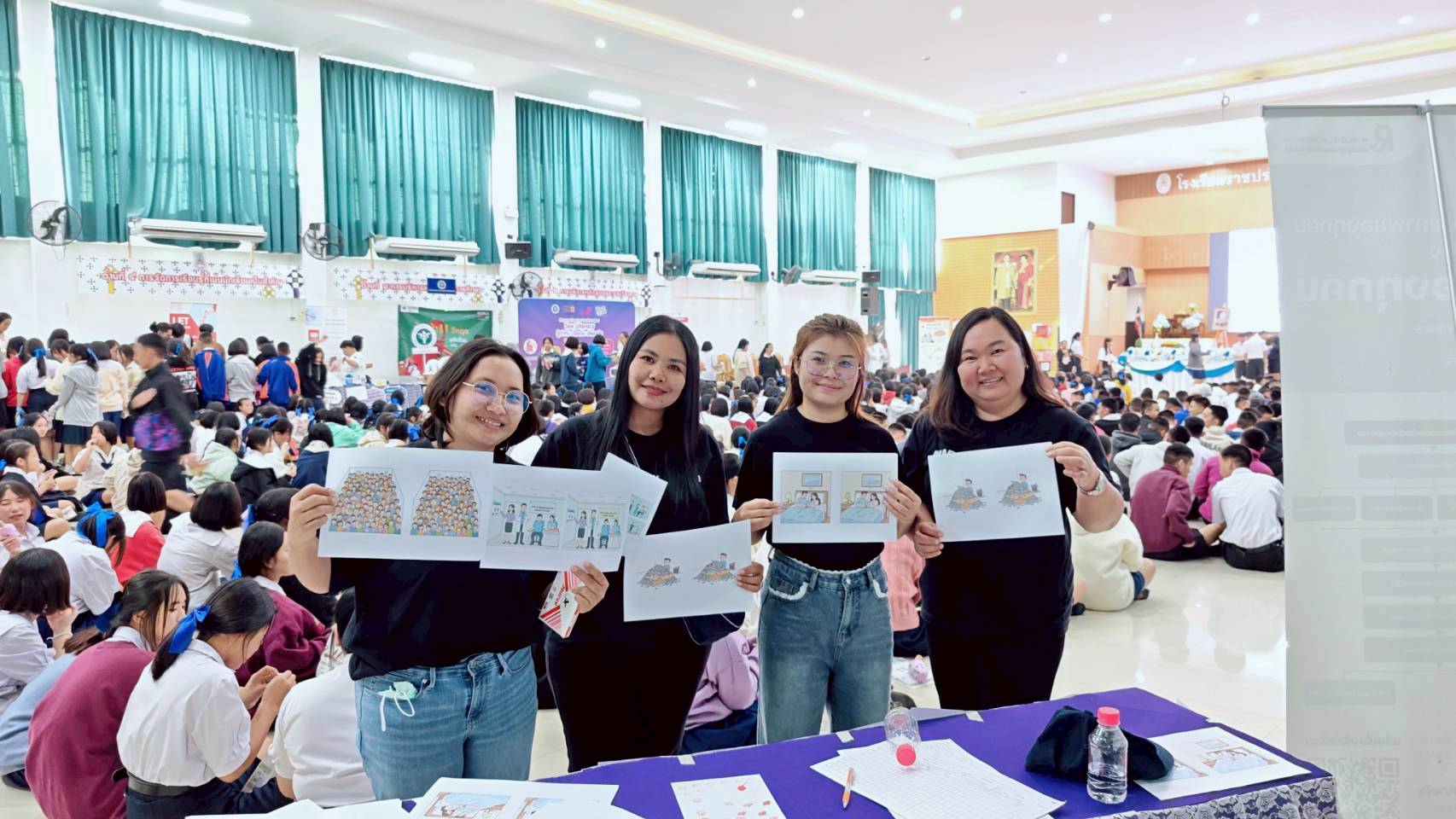
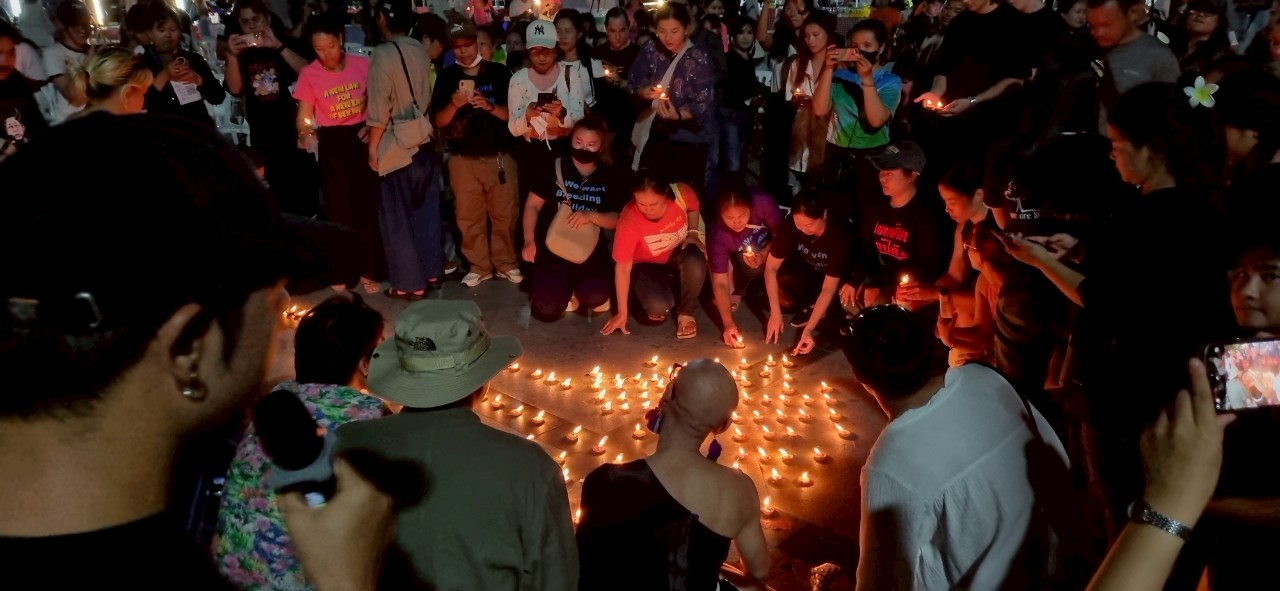
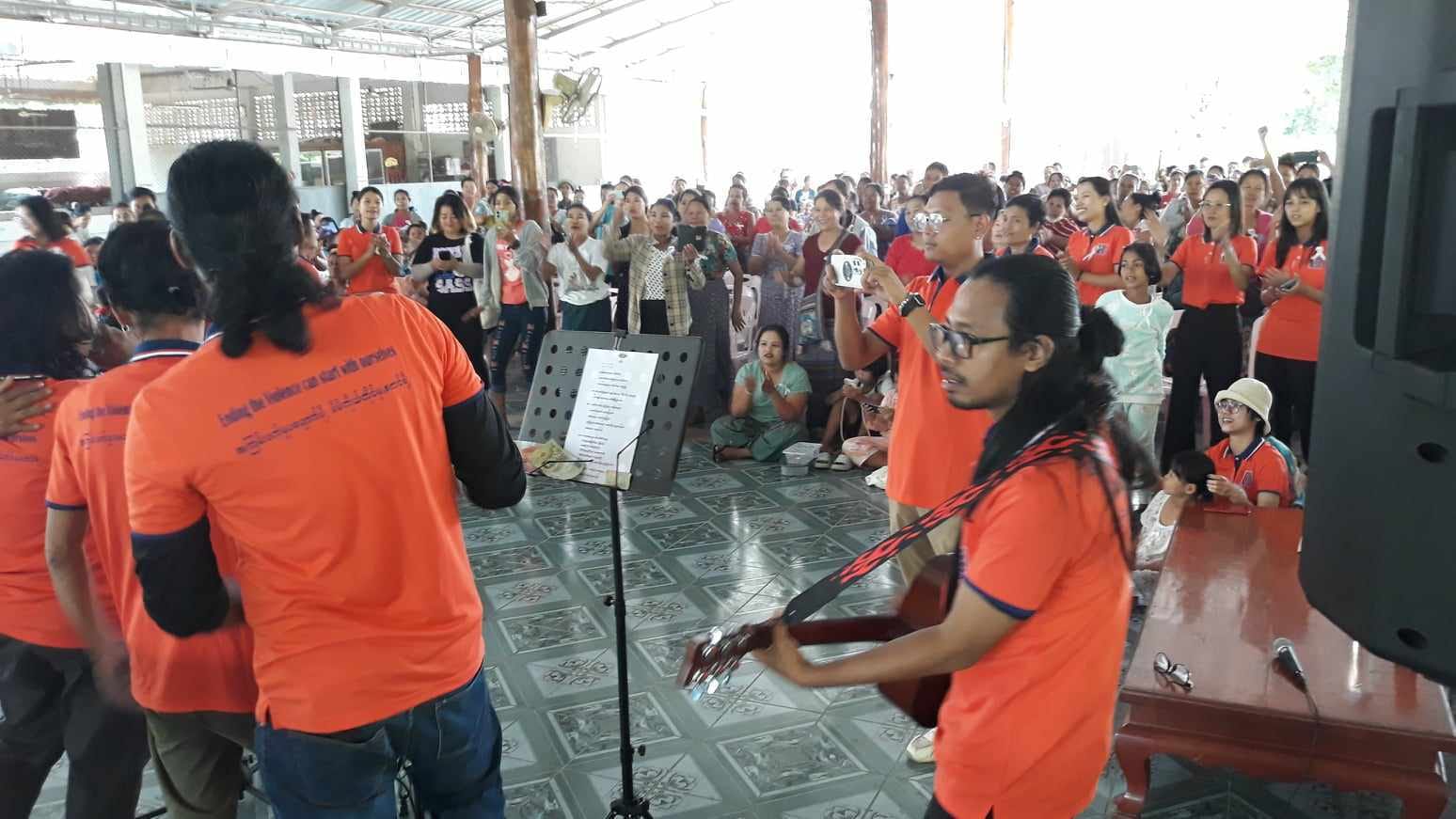
On 1 December 2025, in celebration of World AIDS Day under the theme “Overcoming Disruption, Transforming the AIDS Response,” the MAP Foundation participated as a key partner by co-organizing the event and setting up an activity booth. The event was held at Ratchaprachanukroh School 60, Mueang District, Chiang Mai Province.
Key Highlights and Activities
This year’s event focused on raising awareness, promoting accurate information, and reducing stigma around HIV/AIDS, especially among young people and migrant communities.
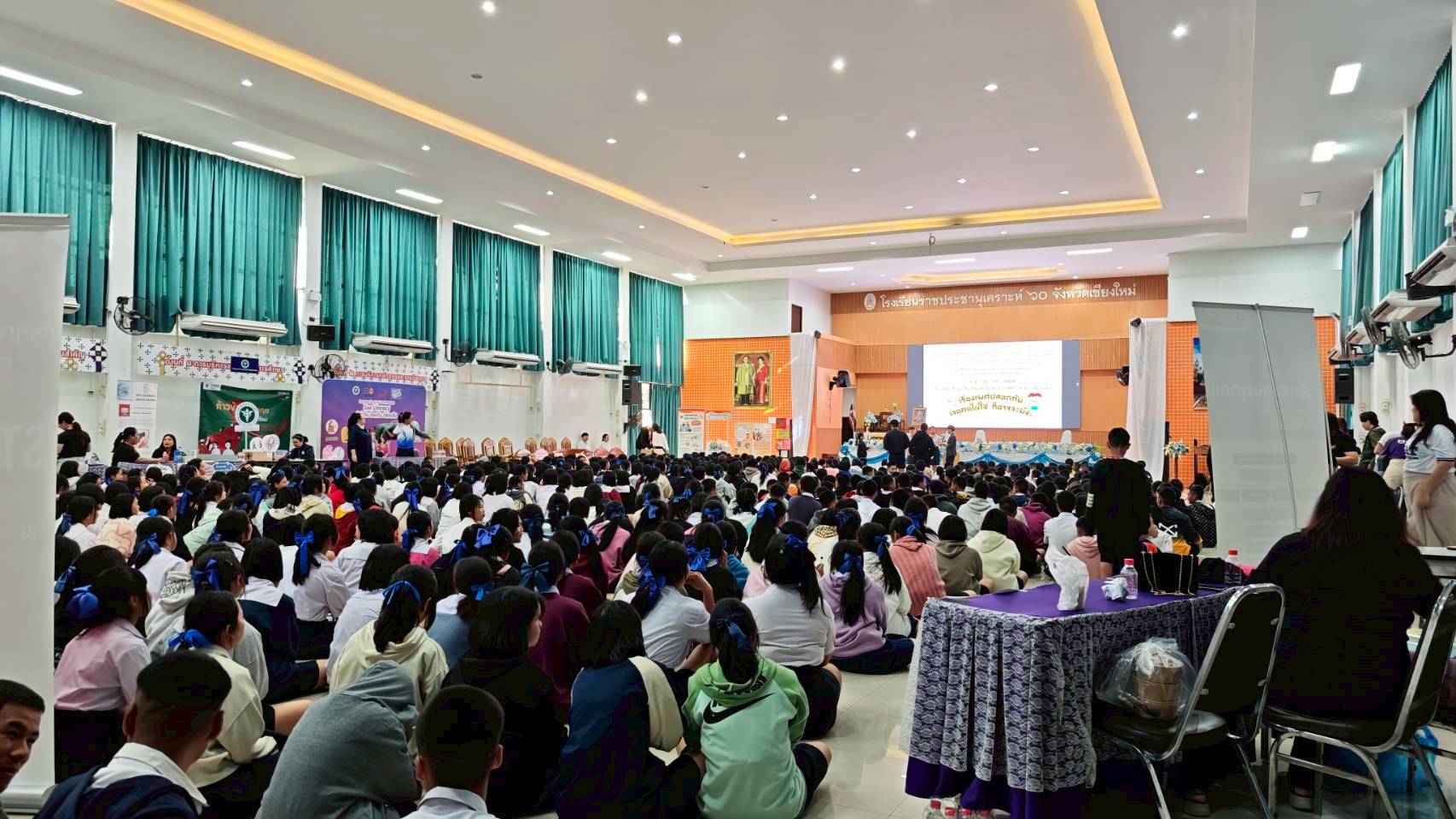
In the Seminar: Creating a Safe Reproductive Health Learning Space
A seminar was organized on the topic “Safe Sex: Meeting the wrong person… so maybe not this time”, providing students with knowledge and youth-friendly information on:
- Safe sexual health practices
- HIV, AIDS, and STI prevention
- Access to protection methods and health services
This session aimed to create a safe environment for learning and open dialogue, helping young people make informed and responsible decisions.
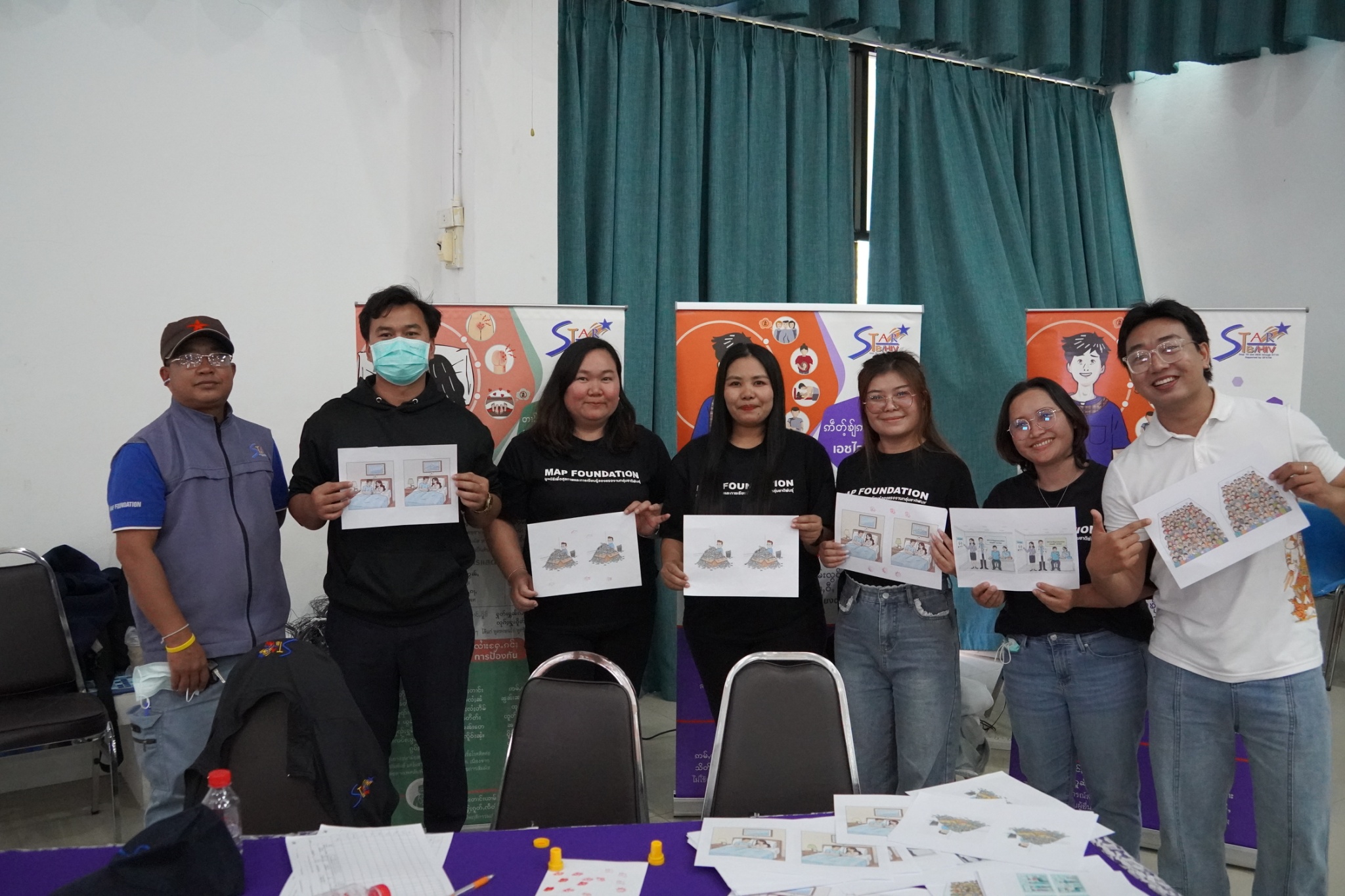
And in the Booth activities, MAP also organized a knowledge sharing and quiz with prizes, designed to:
- Strengthen understanding of HIV/AIDS
- Correct common misconceptions
- Encourage students to talk about sexual health in a supportive, stigma-free atmosphere
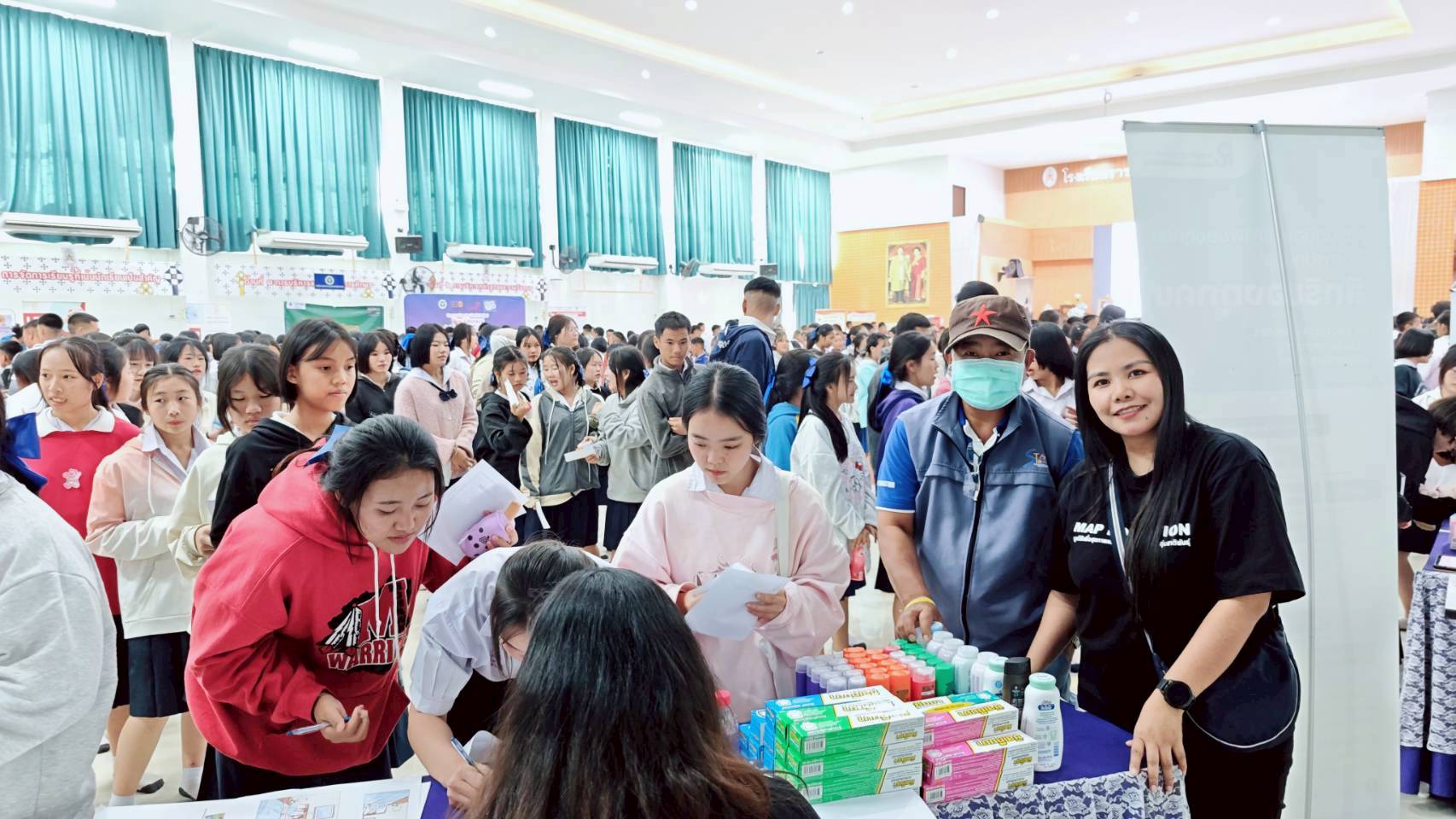
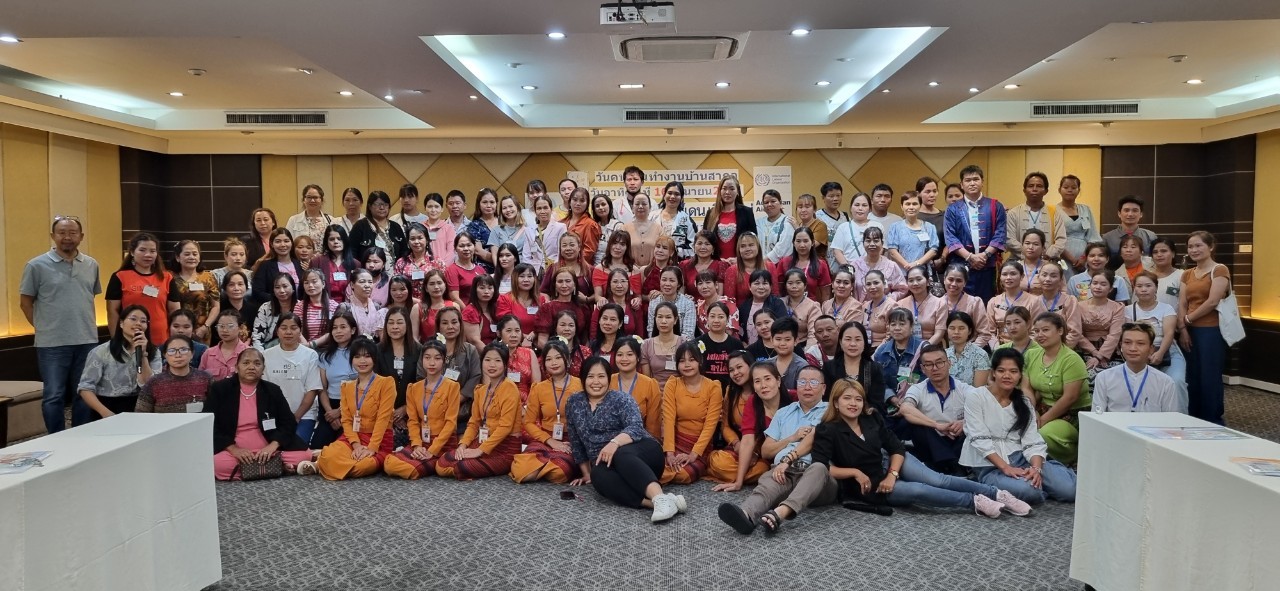
More than 10 partner organizations joined together to organize knowledge-sharing activities, group discussions, and information exchanges.
Over 500 students participated, reflecting strong community engagement and the importance of coordinated efforts in HIV/AIDS awareness.
MAP’s participation in this year’s World AIDS Day reaffirms its crucial role in helping “transform” the AIDS response—not only through public education but also by:
- Increasing access to sexual and reproductive health knowledge among migrant workers and youth
- Supporting inclusive, stigma-free health services
- Strengthening partnerships across education, health, and community sectors
This engagement highlights MAP’s ongoing commitment to ensuring that no one is left behind in the HIV/AIDS response, particularly vulnerable and migrant communities.
 +66 53 328 134
  map@mapfoundationcm.org
 9/34 Moo 1 Ing Doi Village Liab Klong Chonprathan Road, Chang Phueak Subdistrict, Mueang District, Chiang Mai 50300 THAILAND